
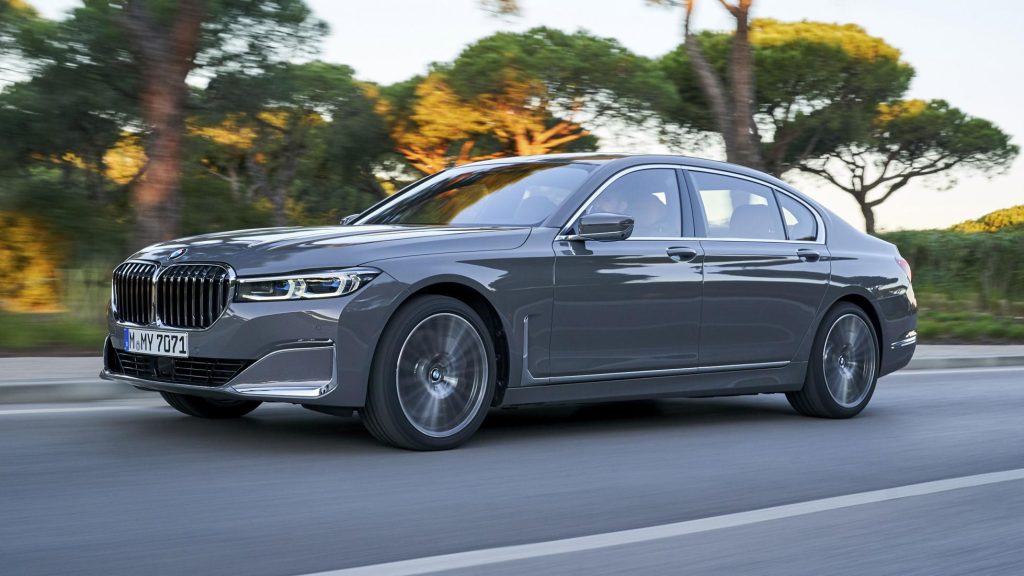

Buying a used car can be a great way to save money while still getting a reliable vehicle. However, it can also be a daunting task if you don’t know where to start. From evaluating the car’s condition to negotiating the price, there are many factors to consider to make sure you’re getting the best deal without overspending. Here are some top tips to help you find the best used car within your budget.
Set a Realistic Budget
Before you begin searching for a used car, it’s essential to set a clear budget. Know exactly how much you can afford to spend on the car, factoring in additional costs such as registration, insurance, and any potential repairs. Setting a firm budget helps you avoid overspending and ensures you focus on options that are within your financial reach. Keep in mind that just because a car is inexpensive doesn’t mean it will save you money in the long run if it requires extensive repairs.
Research the Market
Once you have a budget in mind, take the time to research the market. Familiarize yourself with the prices of the makes and models you’re interested in. Online marketplaces, local dealerships, and classified ads are all great resources for getting an idea of what to expect in terms of pricing. By doing your research, you’ll be able to spot good deals and understand the fair market value for the car you want. This knowledge will also give you leverage when negotiating with sellers.

Inspect the Vehicle’s Condition
When purchasing a used car, it’s crucial to inspect its condition thoroughly. Look beyond the exterior appearance and check for any signs of wear and tear, such as rust, dents, or scratches. Check the car’s tires, brakes, and under the hood for any potential issues. If you’re not experienced in car mechanics, consider hiring a trusted mechanic to inspect the car before purchasing it. A thorough inspection can help you avoid costly surprises down the road.
Take a Test Drive
Never buy a used car without taking it for a test drive. A test drive allows you to get a feel for how the car handles, its comfort level, and whether it has any noticeable issues. Pay attention to how the car accelerates, brakes, and turns. Listen for unusual noises such as squeaks, rattles, or engine sounds that may indicate potential problems. The test drive is also a great time to assess the overall comfort of the car and whether it suits your driving style.
By following these tips, you can find a high-quality used car that fits your needs and your budget. Patience, research, and careful inspection are key to making a wise investment in a used vehicle.